Inside the Coller FAIRR Seafood Index: Key Takeaways for Investors and the Seafood Sector
Both seafood companies and financial institutions increasingly recognize sustainability challenges in the seafood sector as procurement, brand, regulatory and investment risks.
Yet for companies that respond proactively, these same challenges represent an opportunity to strengthen competitiveness, build trust and drive sustainable growth.
The FAIRR Initiative is a network of over 400 global institutional investors working to raise awareness of key sustainability risks and opportunities within food systems and foster constructive dialogue with companies. The initiative has expanded its focus to seafood and, in May 2026, released the very first Coller FAIRR Seafood Index, its benchmark of 20 of the world's major seafood companies.
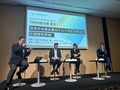
In June, Seafood Legacy and FAIRR hosted a seminar in Tokyo to share these results with investors and companies, and to explore future opportunities for the seafood sector. Here, we report on the key takeaways.
The Results of the Seafood Index
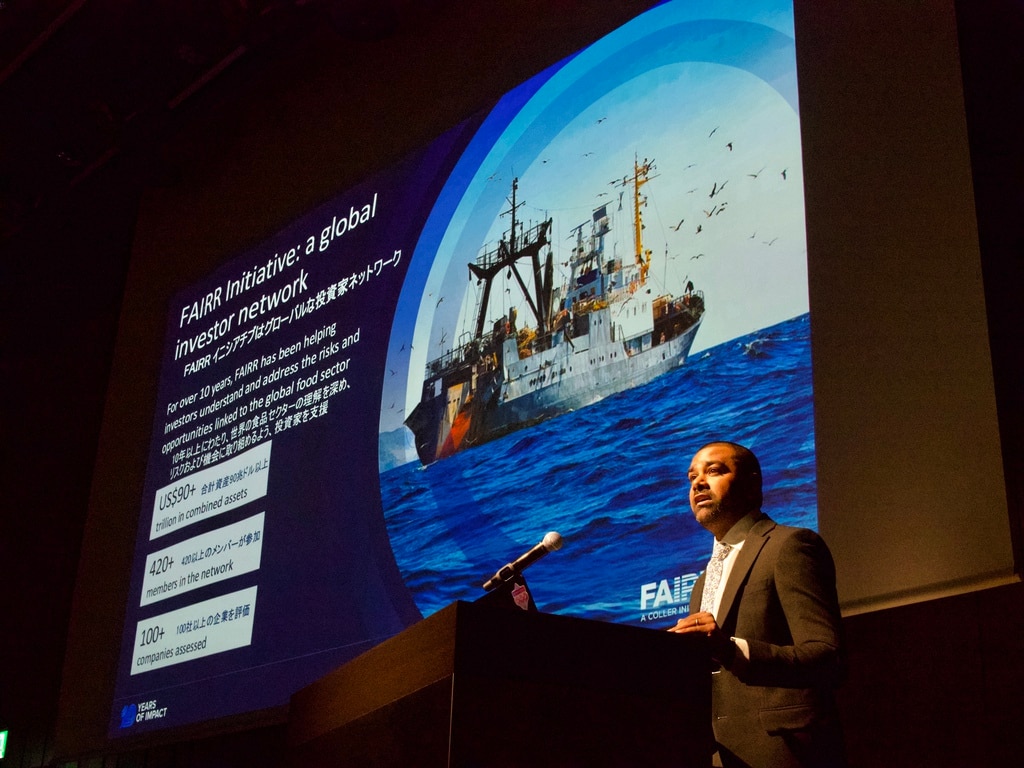
The event began with Keeran Beeharee, Director of Products & Analytics at FAIRR, sharing the methodology and results of the benchmark.
Nearly half of the 20 companies* in the Index are from the Asia Pacific region, and many are involved in different types of businesses, including capture fisheries, aquaculture and feed manufacturing.
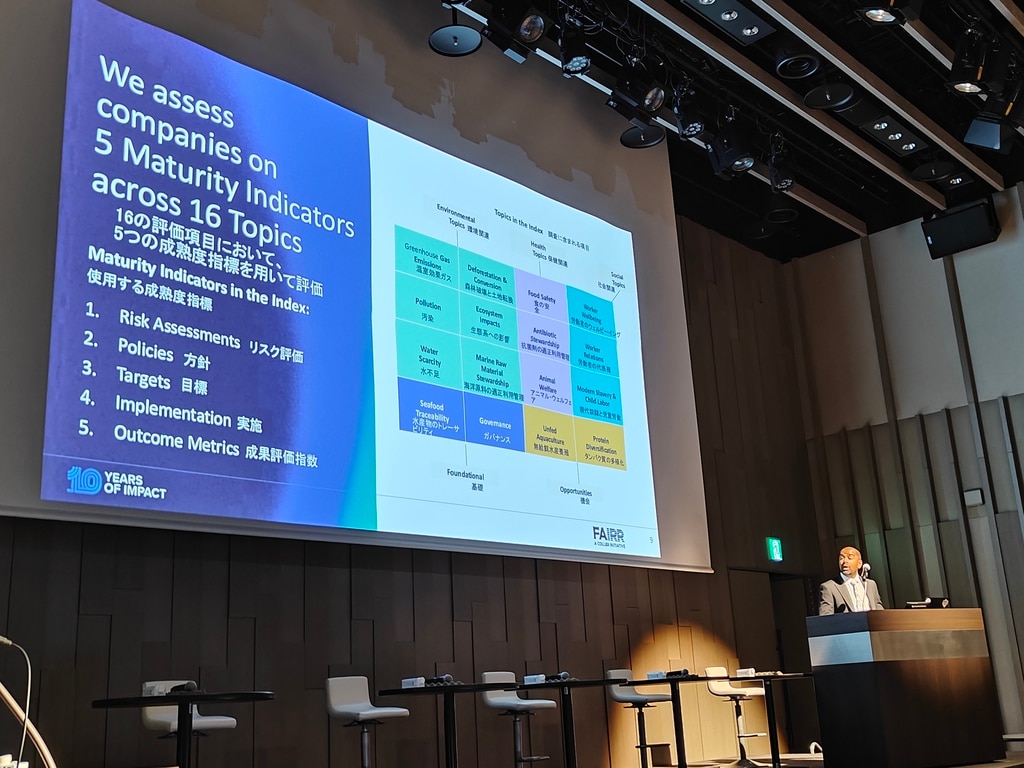
The Index itself is designed to measure maturity, or how well companies identify, disclose, and manage sustainability risks. “We are trying to understand the extent to which companies are aware of, prepared for and willing to disclose on how they manage risks and opportunities,” Beeharee explained. Maturity is measured across 16 topics, including governance, traceability, ecosystem impacts, workforce wellbeing and animal welfare. Each topic is weighted equally, although the greater number of environmental topics gives them slightly more influence overall.
The assessment looks at the same elements for each topic, including risk assessments and policies, targets, implementation, and outcome metrics. “This systematic approach provides us with a holistic view that allows us to understand what each company says they are doing, what they are actually doing, and what the results look like.”
*Japan (6) and Thailand (2) (n = 8), Norway (4), the UK (2), and Chile (2) (n = 8), Others (4)
Beeharee then presented six key findings from the 2026 Seafood Index.
Finding 1: All companies can do more to articulate how they are addressing risks
Overall scores ranged from 13 to 57 out of 100, with European salmon farming companies generally scoring higher due to more consistent disclosure. While these are low, Beeharee says the goal is not for every company to get 100 out of 100, but for investors to be able to understand how progress happens in the coming years. “The objective is very much progress, not perfection.”
Finding 2: Companies score better on social topics than environmental topics
“This is likely linked to a longer tradition of companies reporting on issues like human capital, modern slavery and child labor.” Of the environmental topics, greenhouse gas emissions scores are slightly higher, potentially driven by the work of the Taskforce on Climate-related Financial Disclosures (TCFD), the Taskforce on Nature-related Financial Disclosures (TNFD) and CDP in providing frameworks for higher-quality disclosures on those topics.
Finding 3: Disclosures on implementation and outcome lag policy commitments
While many companies make policy commitments, disclosures on the outcomes are markedly lacking. “Our key request for companies in the future will be to close the gap between statements of intent and providing information on the real-world impact and policy outcomes.”
Finding 4: Asia leads on protein diversification opportunities
Protein diversification is essential to addressing climate, health and food security risks, and Asian companies are taking the lead. “These companies were more willing to disclose information that provides clear evidence of products they already have in their portfolio in the alternative proteins category, or R&D initiatives, experiments and tests to try to develop and discover new opportunities.”
Finding 5: Uneven performance on health topics
While scores for food safety were high (43/100 average), low scores for antibiotic stewardship (27/100) and animal welfare (26/100) undermine quality and increase risks for consumers. “On antibiotics, the scores for implementation are significantly higher than those for policies, targets and outcomes. This indicates that there is some degree of corporate activity in this area, and that public policy commitments and targets seem to be lacking.”
Finding 6: Traceability remains problematic across wild-caught and farmed fish
The 20 companies scored 27/100 on average, which is “concerning for such a foundational topic,” and leaves consumers exposed to mislabeling and seafood derived from illegal, unreported and unregulated fishing, Beeharee said. “Traceability supports investor confidence in sustainability disclosures as well as product assurance.”
Seafood Index scores will be updated in 2027, and Beeharee closed by reiterating that the goal is progress, not perfection.
Integration of Ocean-Related Metrics into the CDP Disclosure Platform
Next, Takuya Harada, Head of Disclosure APAC at CDP Worldwide-Japan, presented on the addition of ocean-related indicators to the world-leading international disclosure platform.
In 2025, over 22,100 companies and 1,000 local governments disclosed environmental data through CDP, covering roughly two-thirds of global market capitalization. Until now, CDP’s environmental disclosure system has covered climate change, water security, biodiversity, plastics, and forests. In 2026, it introduced ocean disclosure to the questionnaire.
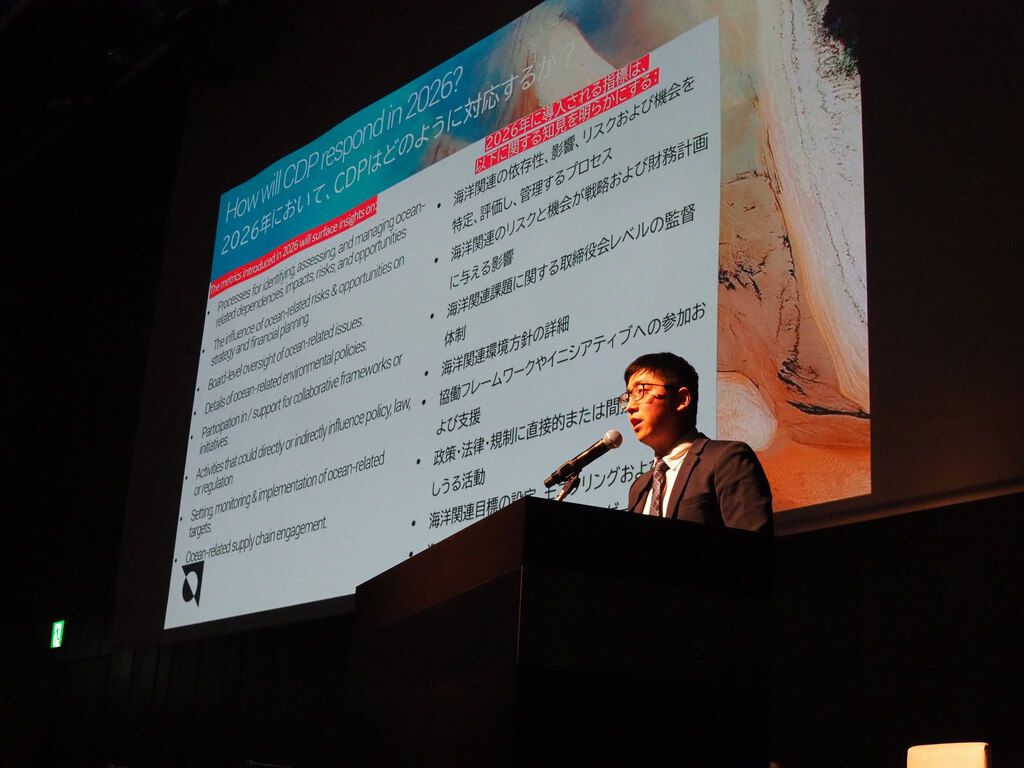
How will ocean data be used?
CDP envisions a number of use cases for ocean disclosure by financial institutions, including engagement, due diligence, risk assessment, and sustainability-linked loans. “These use cases are already emerging for climate change, water, and forests, and we expect to see similar use cases develop for oceans as more data becomes available.”
Harada emphasized the potential for growth in sustainability-linked loans in the ocean sector, explaining that fewer than 10 of the 120 largest ocean-sector companies currently use sustainability-linked loans, and only four use ocean-specific KPIs within those loans. “Sustainability-linked finance that properly incorporates ocean indicators is still almost non-existent. In that sense, this is an area with huge growth potential, and we feel there is real value in providing this kind of data.”
What are companies reporting now?
Disclosure metrics for ocean-related issues are still evolving, which creates challenges for both companies and financial institutions. For example, a Making Oceans Count survey of financial institutions found that insufficient and non-standardized data has severely limited the integration of ocean-related information into financial products. “Each company is essentially using its own unique set of metrics, so even where disclosure does happen, there's no standardization, which makes it very difficult for financial institutions to actually use that data.”
CDP’s goal is to create a consolidated standard for ocean-related disclosures. “We found over 60 existing frameworks or related frameworks, so rather than creating yet another new one ourselves, our approach is to draw on the existing research and findings, and incorporate them into the CDP questionnaire.” CDP positions TNFD as the key framework for indicator alignment.
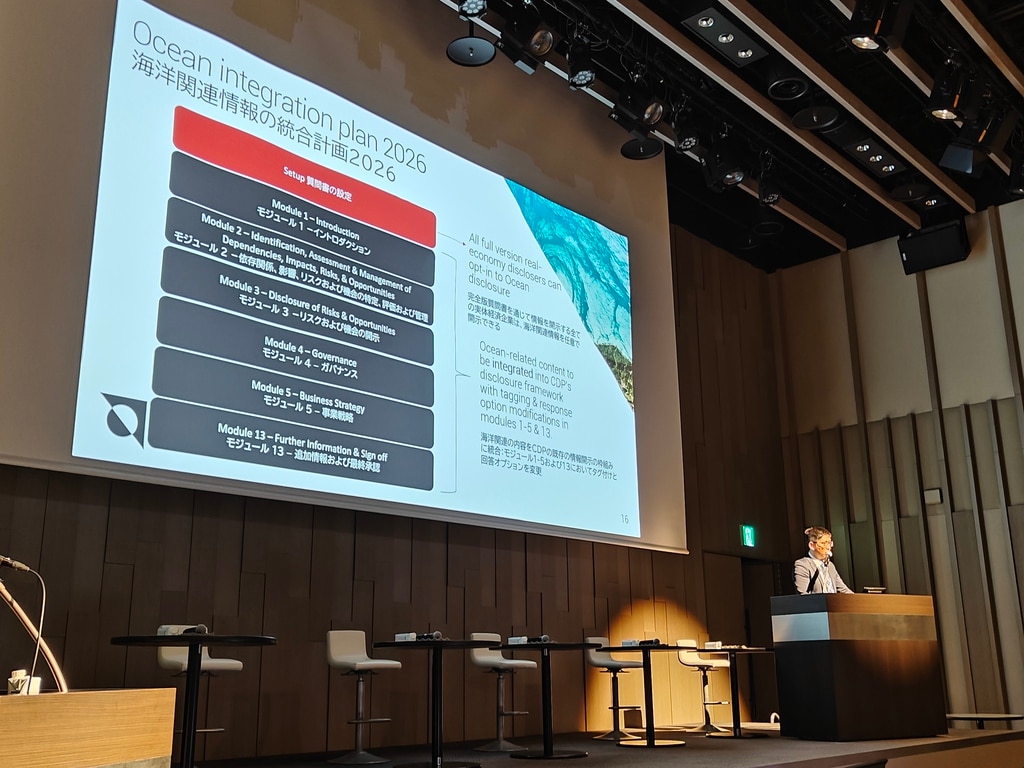
Since 2026 is the first year, ocean-related disclosure is voluntary, but CDP recommends that companies complete the questionnaire if the ocean is materially relevant to their business.
Panel Discussion: Seafood Index and the Future of the Seafood Sector
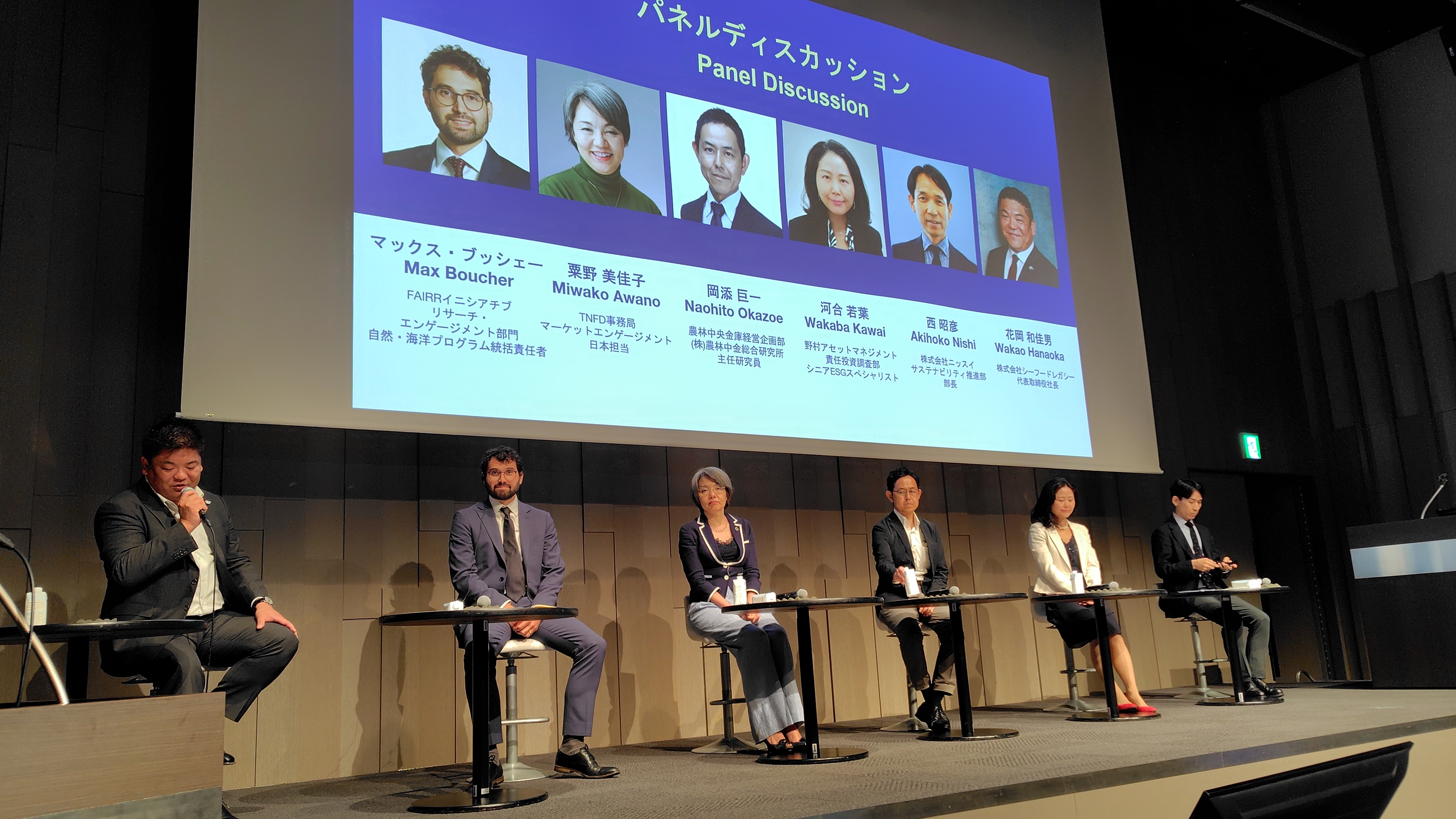
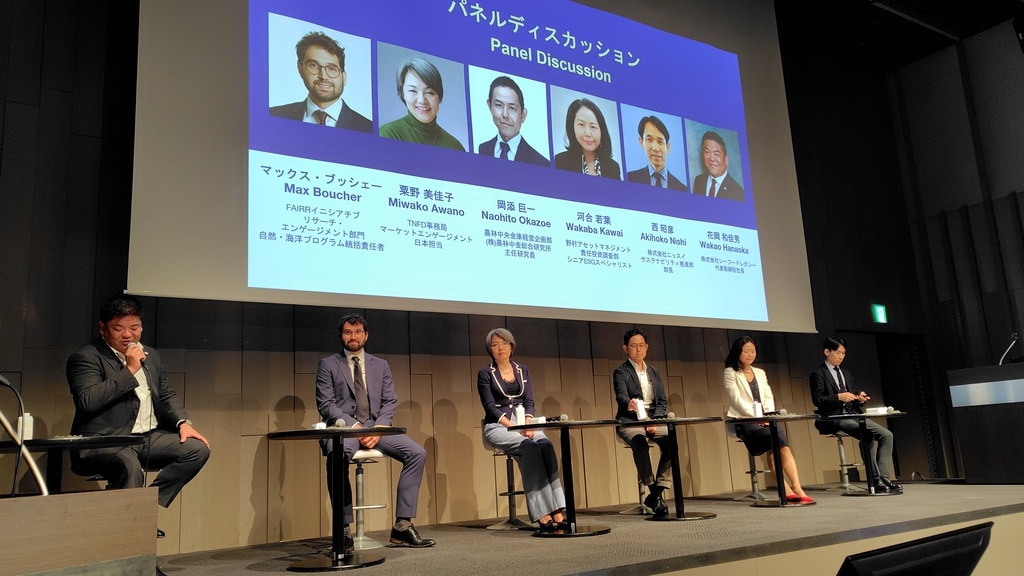
Next, Wakao Hanaoka, CEO of Seafood Legacy Co. Ltd., hosted a panel discussion with five guests:
Max Boucher, CFA, Head of Nature Programmes, the FAIRR Initiative
Mikako Awano, Market Engagement Lead, Japan, TNFD
Naohito Okazoe, Senior Researcher, Norinchukin Research Institute
Wakaba Kawai, Senior ESG Specialist, Nomura Asset Management Co., Ltd.
Akihiko Nishi, General Manager, Sustainability Department, Nissui Corporation
Advancing Ocean-Related Disclosure
First, Hanaoka asked each panelist about their organization’s role in advancing ocean-related disclosure.
Q: Why launch the Seafood Index now?
Boucher: We have been engaging with the industry for several years now on feed sustainability and traceability. Building on these learnings and the momentum we have seen from investors becoming proactive about ocean-related risks, we thought it was a good time to bring this knowledge together and continue building that expertise.
Q: Why is a common language like TNFD necessary for natural capital?
Awano: As biodiversity emerged in the World Economic Forum's annual Global Risks Report, institutional investors became aware of it as a source of risk to their portfolio. With TCFD, climate change is now understandable, but nature is hardly understood. When we launched an informal working group to establish the TNFD framework, the financial institution slots filled up almost instantly. It illustrates how they needed a framework to understand this emerging issue.
On the flip side, companies were also working hard but had no idea how to make themselves understood. Once they had a framework, it was like they had finally found the right vocabulary. I think that is what is meant by “common language” — having TNFD’s metrics as ‘common language’ helps both sides gain a similar understanding of the same topic.
Q: Nomura Asset Management has led engagement with companies as part of FAIRR’s Seafood Traceability Engagement. Were the results of that work visible in the Seafood Index, and how have things shifted?
Kawai: The incorporation of natural capital, governance, and diversity-related considerations has progressed quite significantly among financial institutions and seafood-related companies. Our engagement work has shown us that improving transparency is not easy. Yet, we have seen that some companies do recognize, from a risk management standpoint, that it is necessary to trace things all the way back to the fishing vessel and raw materials.
The central theme we conveyed in this engagement was the importance of traceability. We have seen progress in traceability commitments, and I think that is reflected in some of the assessments within the Seafood Index as well. I do feel there is still significant room for progress when it comes to setting and defining time-bound targets toward traceability and transparency.
Q: Why does Nissui place such importance on disclosure and accountability?
Nishi: There are two reasons. The first is a basic fact: Nissui’s business is highly dependent on nature, while having impacts on nature at the same time. So, we believe we have a social responsibility to disclose to our stakeholders how we intend to minimize that impact.
The second and why we publish a full TNFD report is to provide a tool for dialogue with investors. From an investor’s perspective, a seafood company faces the uncertainties of nature every single day. This makes it a very difficult sector to invest in, and it thus tends to get undervalued.
To address that, I think it is essential to clearly articulate both risks and opportunities as well as how they are being managed and pursued.
The Importance of the Seafood Index for the Industry and Investors
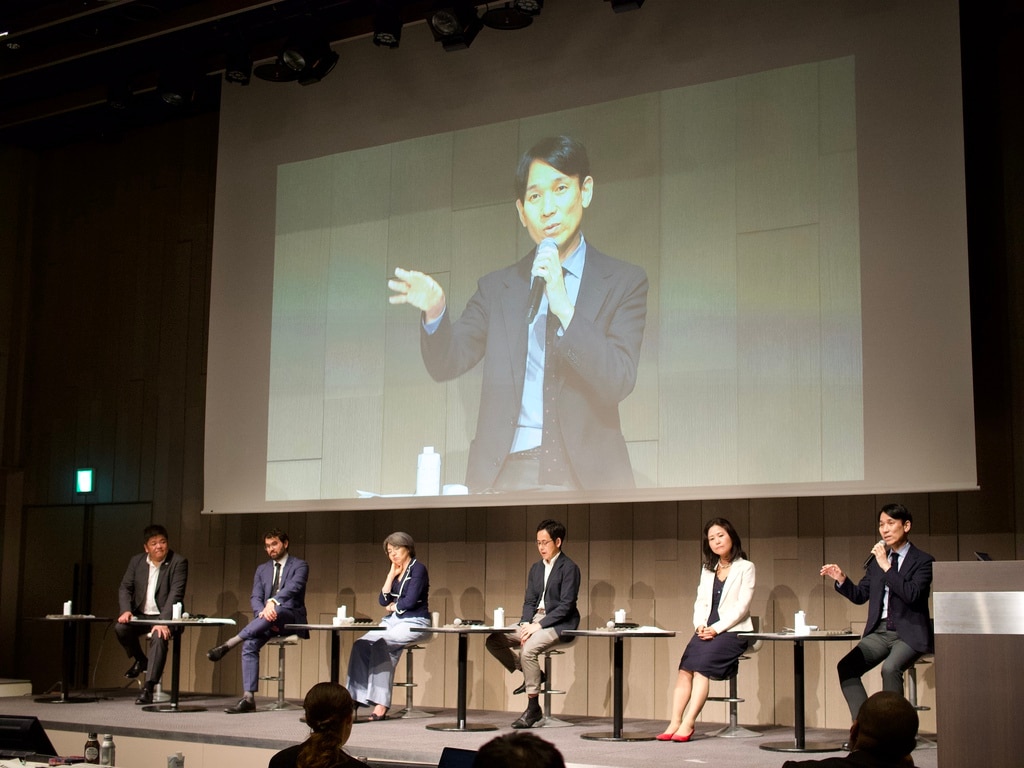
The discussion then continued with Hanaoka asking guests about the use of the Seafood Index.
Q: How do you think seafood companies and financial institutions should make use of the Seafood Index?
Boucher: The Seafood Index does two things really well. First, it digests the information coming out of disclosures and condenses it into an objective science-based indicator of what “good” looks like. Second, it identifies and showcases leading practices. For every Index topic, there is one company somewhere in the world that does it very well. We try to highlight those to show that this is possible.
Awano: Rather than focusing on the rank in the Index itself, I suggest using for self-diagnosis: within the Index’s methodology, where are we weak, and why? Methodologies behind ratings like this index give a rigorous, structured picture of what specifically needs to be strengthened.
Kawai: The Seafood Index evaluates maturity across a large number of topics using a consistent scale. That makes it easy to compare companies, and it does a good job of clearly laying out where each has room to improve. As an investor, it is genuinely useful as a map for dialogue with companies.
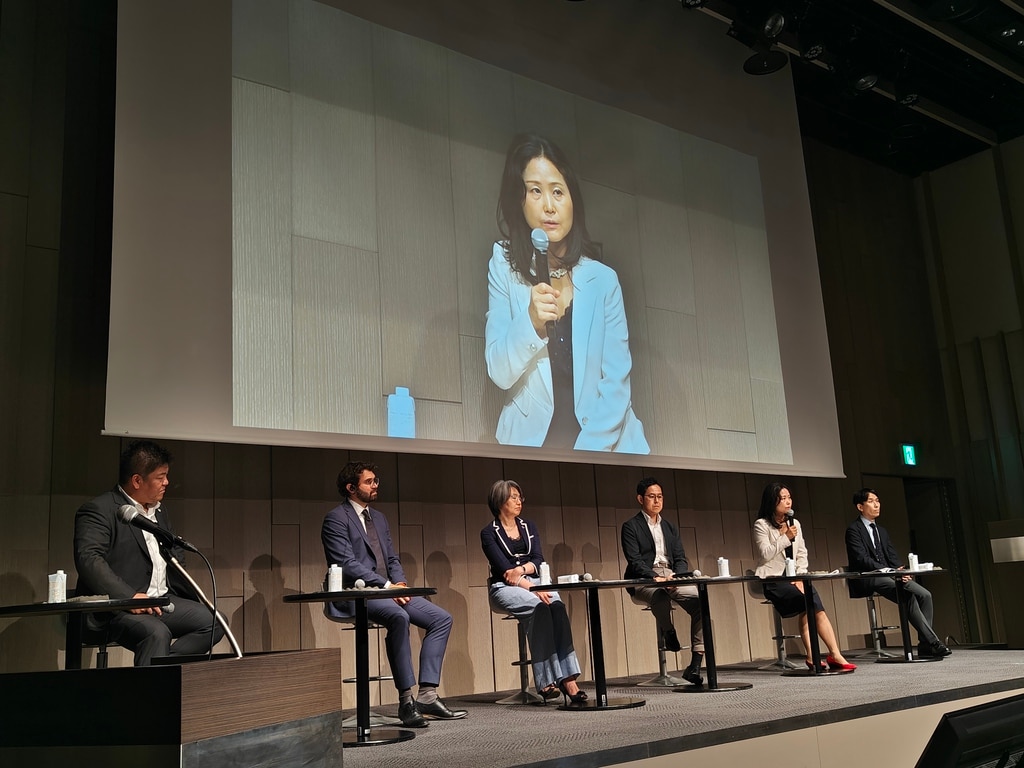
Okazoe: The Seafood Index is a useful tool for corporate engagement and benchmarking. However, what matters is how its results are applied in engagement activities.
For Japanese seafood companies, improving traceability is undoubtedly an important priority. At the same time, there is a potential trade-off: if companies focus too heavily on raw materials or products that are easier to trace, it may become more difficult to achieve other sustainability objectives, such as diversifying protein sources and maintaining business strategies that align with Japan’s diverse seafood culture and consumption patterns.
Companies should recognize that traceability is not an end in itself but an enabler, and choose traceability improvement approaches based on their contribution to the long-term resilience of the business and its supply chain.
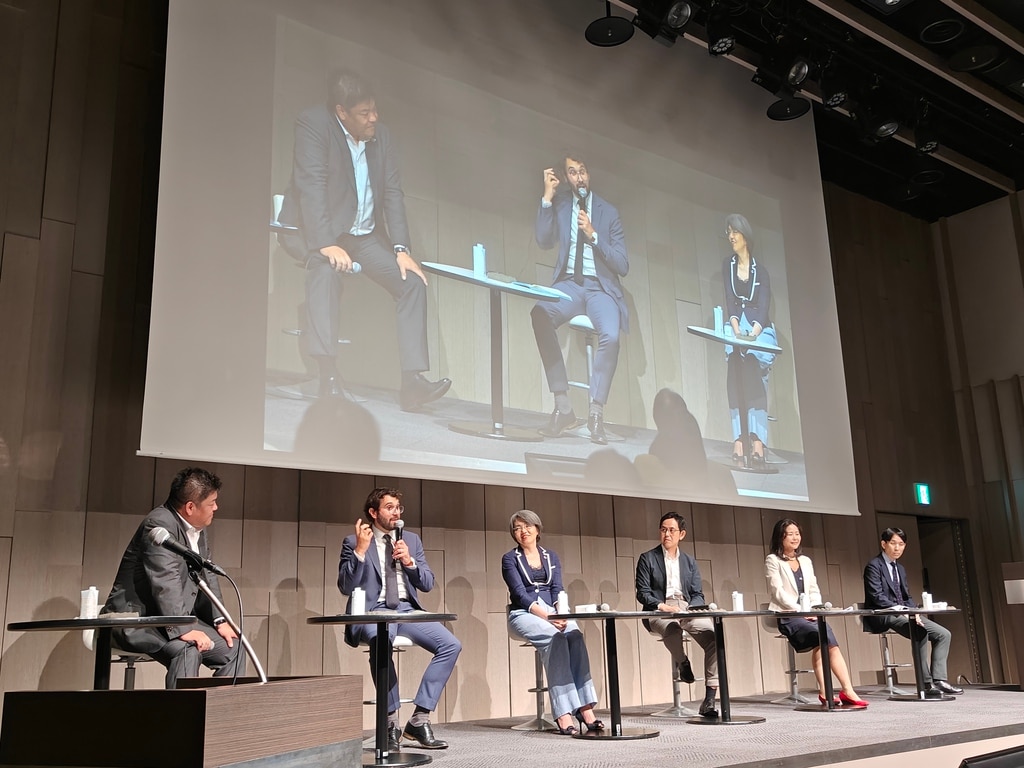
Boucher: We did not design the benchmarks with an idea that one mode of production is better than the other. A company doing aquaculture in the sea may find it easier to get a higher animal welfare score, but struggle with pollution management. This is a trade-off, and we strive to help investors understand that. There are always risks and opportunities to any mode of production or any protein, so transparency is essential.
Nishi: Regarding the assessment itself, the strengths and weaknesses we already recognized internally were shown as anticipated. For the areas where we fell short, we will work to improve, topic by topic.
Regarding the index, when producing rankings across 20 companies, attention naturally tends to gravitate toward the score. I worry that, without the full context, the takeaway becomes simply “Japanese companies are behind.” But the reality is that each of these 20 companies operates a different business. Since the underlying conditions are different, the assessment naturally looks very different too.
Boucher: I strongly agree. I invite everyone to look at the index in detail, and we provide as much information as possible in this context. We evaluate very different operations in very different parts of the world with unique circumstances.
Next Steps for Improving and Leveraging Disclosure
Finally, each guest shared their thoughts on the way forward.
Q. How do you see the seafood industry or your own organization developing from here?
Nishi: I feel we do not talk enough about how these kinds of initiatives actually translate into business growth opportunities, and how to communicate initiatives to investors. Going forward, I would like to focus on communicating the opportunity side effectively.
Kawai: I would like to make sure we fully understand each company’s individual business model and use that understanding to engage in dialogue that helps drive greater transparency and effectiveness.
Okazoe: I see the Japanese seafood industry as actually having a far higher level of resolution on nature-related risks than most other industries, yet this has not fully translated into business opportunities. I would love to see that happen.
Awano: Disclosure is not for other people’s benefit — it is about looking squarely at your own issues. I would really encourage people to think of it as a tool for looking inward. TNFD has put forward a way of doing this, so I hope you will make use of it.
Boucher: Where there is a risk, there is also an opportunity to do things better, to become a leader and to think about new growth areas. Investors are always looking for new areas, and opportunities are what create the most interesting discussions with them.
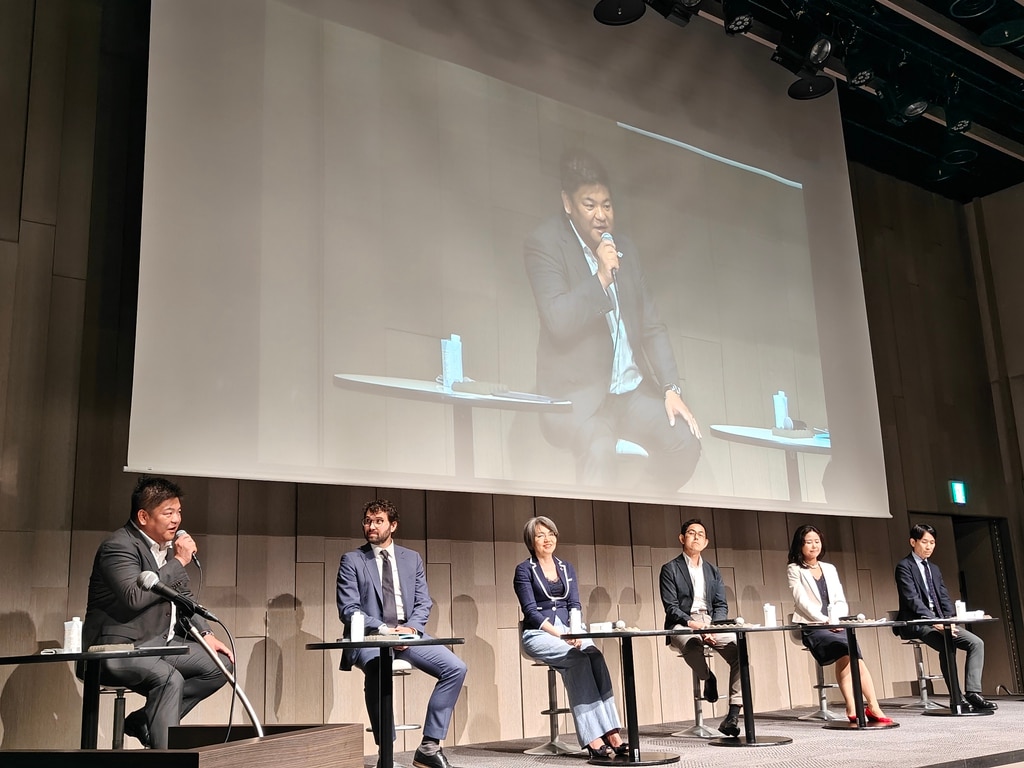
Hanaoka concluded with a positive message for the future. “I hope discussions like this will serve as a catalyst for strengthening connections between the seafood industry and the financial sector.”
Closing: Safeguarding Ocean Health Strengthens Business
The event closed with a message from Sofia De La Parra, FAIRR’s Senior Investor Outreach Manager.
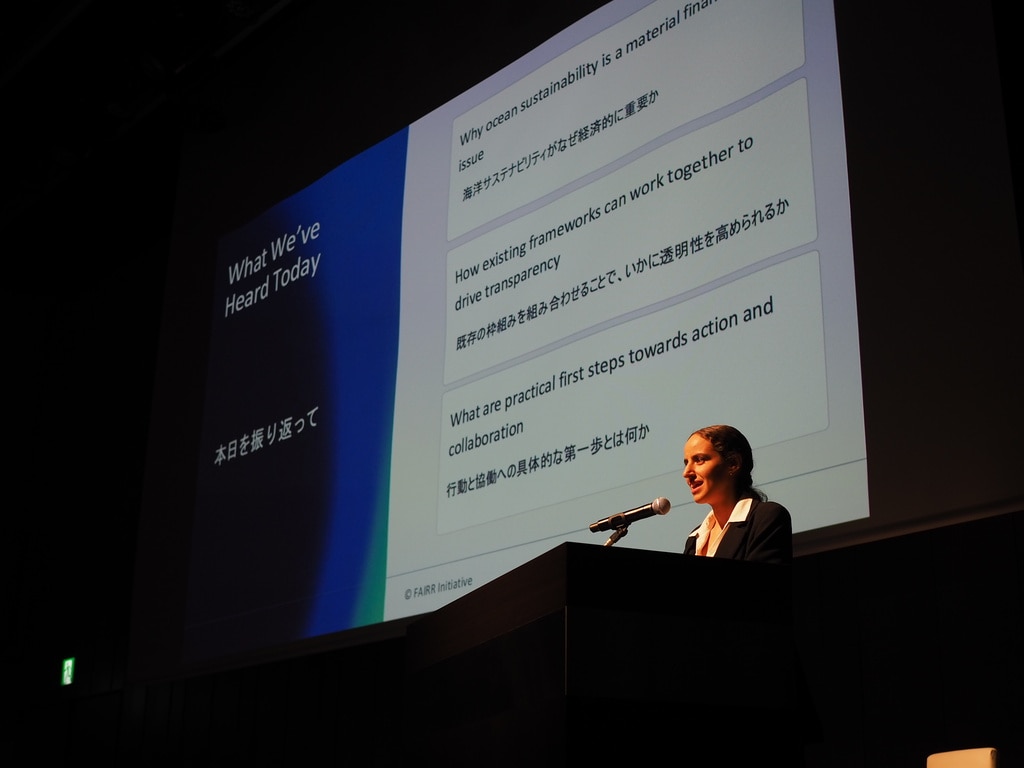
“Ocean sustainability is no longer a sustainability, environmental or reputational issue. It really is about long-term business strength and financial impact. The health of the ocean directly affects investing performance, and frameworks like TNFD and CDP are helping investors better understand where the risks are and where future value is growing.”
“Yet today was not only about the risks, but also about the opportunities that come from acting early to manage these risks, demonstrating progress and supporting the companies that are looking for those opportunities. That is exactly the spirit behind the FAIRR Initiative’s Seafood Index.”
As ocean resources approach their limits, stewardship, innovation and sustainable investment have never been more essential. Encouragingly, FAIRR sees real momentum: growing demand for transparency, stronger interest in responsible ocean management, and increasing regulatory pressure to enable the transition.
Building a genuinely sustainable seafood system will depend on collaboration across policymakers, businesses, investors, scientists, and financial institutions. For companies engaged in seafood, perhaps the key takeaway is that safeguarding ocean health should be understood not as a moral imperative, but as a matter of financial materiality. Those who invest in resilience and transparency now will be best positioned for what lies ahead.